

LiquidBK-DK-077
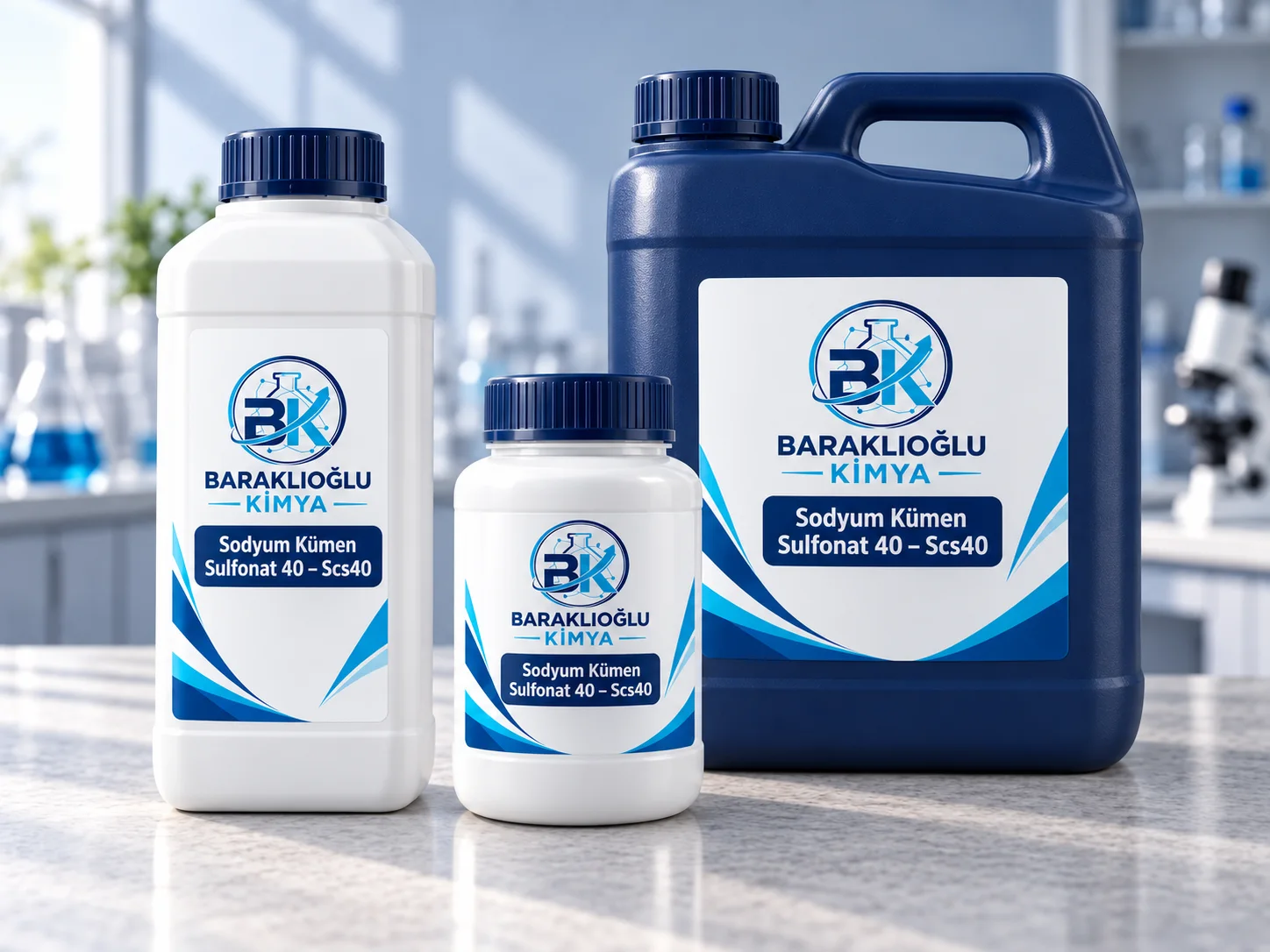

SAMPLE
A sodium cumene sulfonate based hydrotrope supporting solubility, clarity and low-temperature stability in concentrated liquid formulations.
Surfactants, rheology modifiers, preservative systems and auxiliary raw materials for cleaning formulations.

A sodium cumene sulfonate based hydrotrope supporting solubility, clarity and low-temperature stability in concentrated liquid formulations.
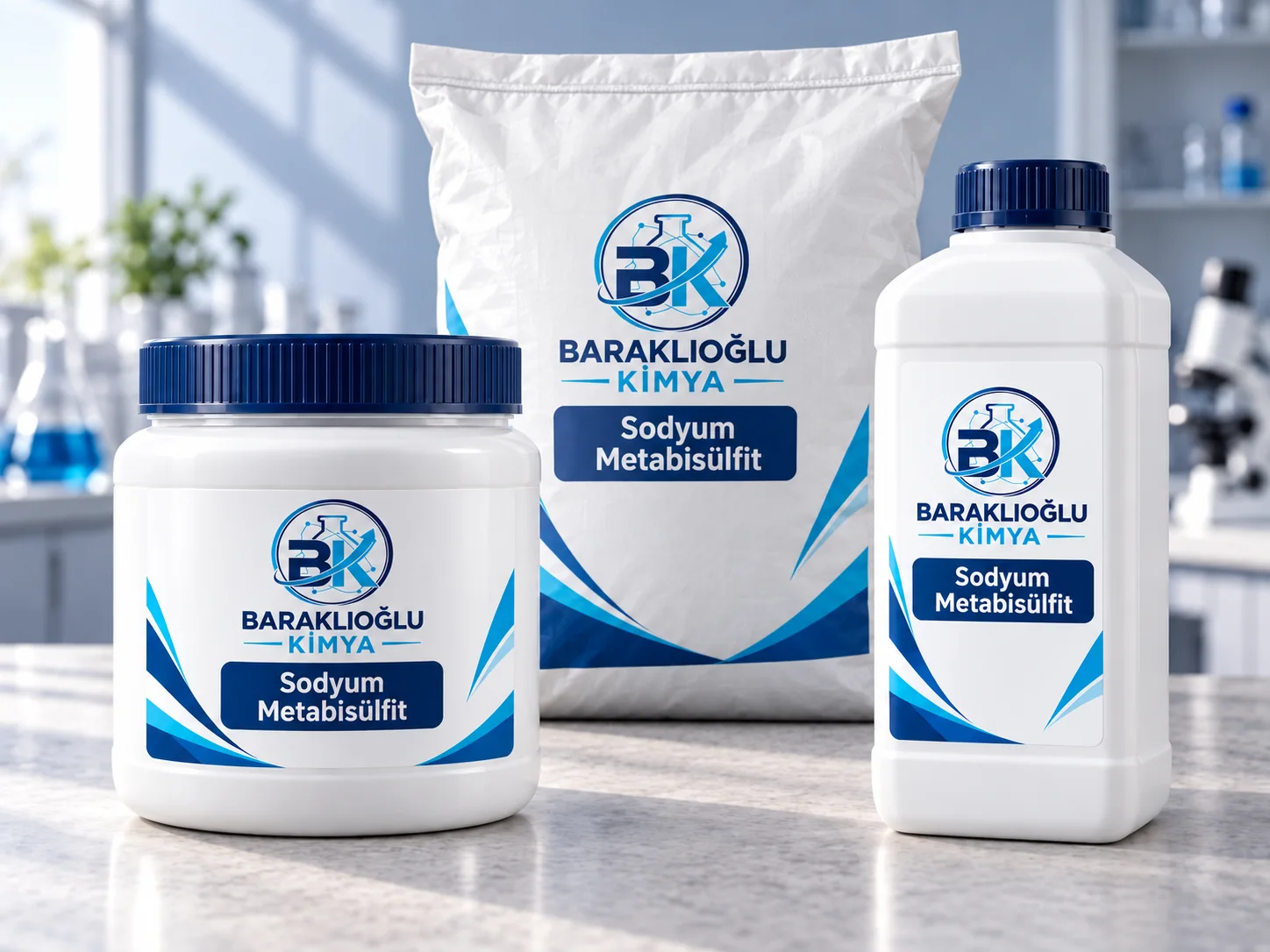
Sodium metabisulfite is an inorganic salt used for reduction, oxygen scavenging and oxidation control. Grade and regulatory suitability require confirmation.
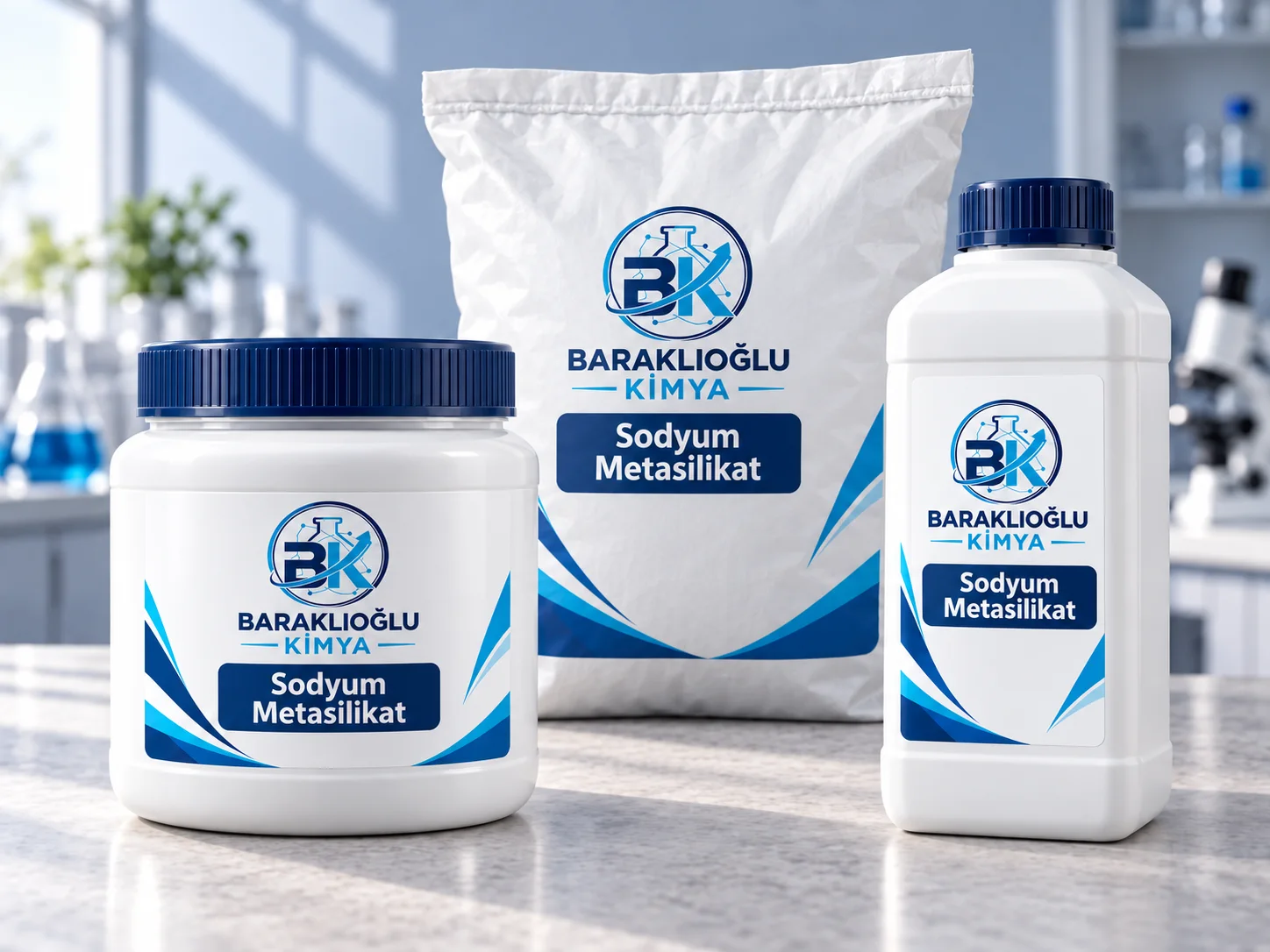
Sodium metasilicate is an inorganic raw material used in heavy-duty cleaning for alkalinity, builder performance and corrosion-control support.
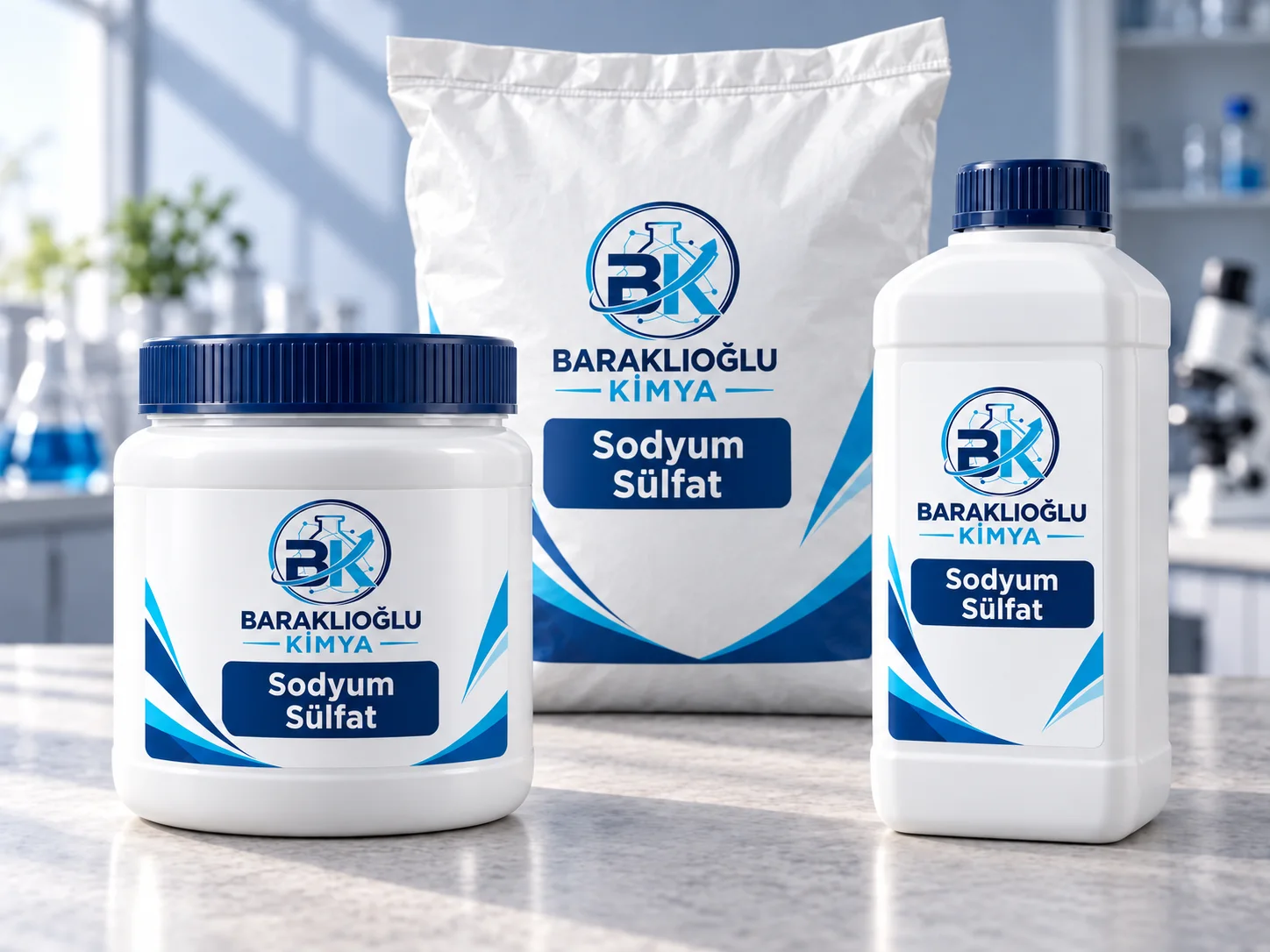
Sodium sulfate is an inorganic salt used as a carrier, filler and solids-balance component in powder products.
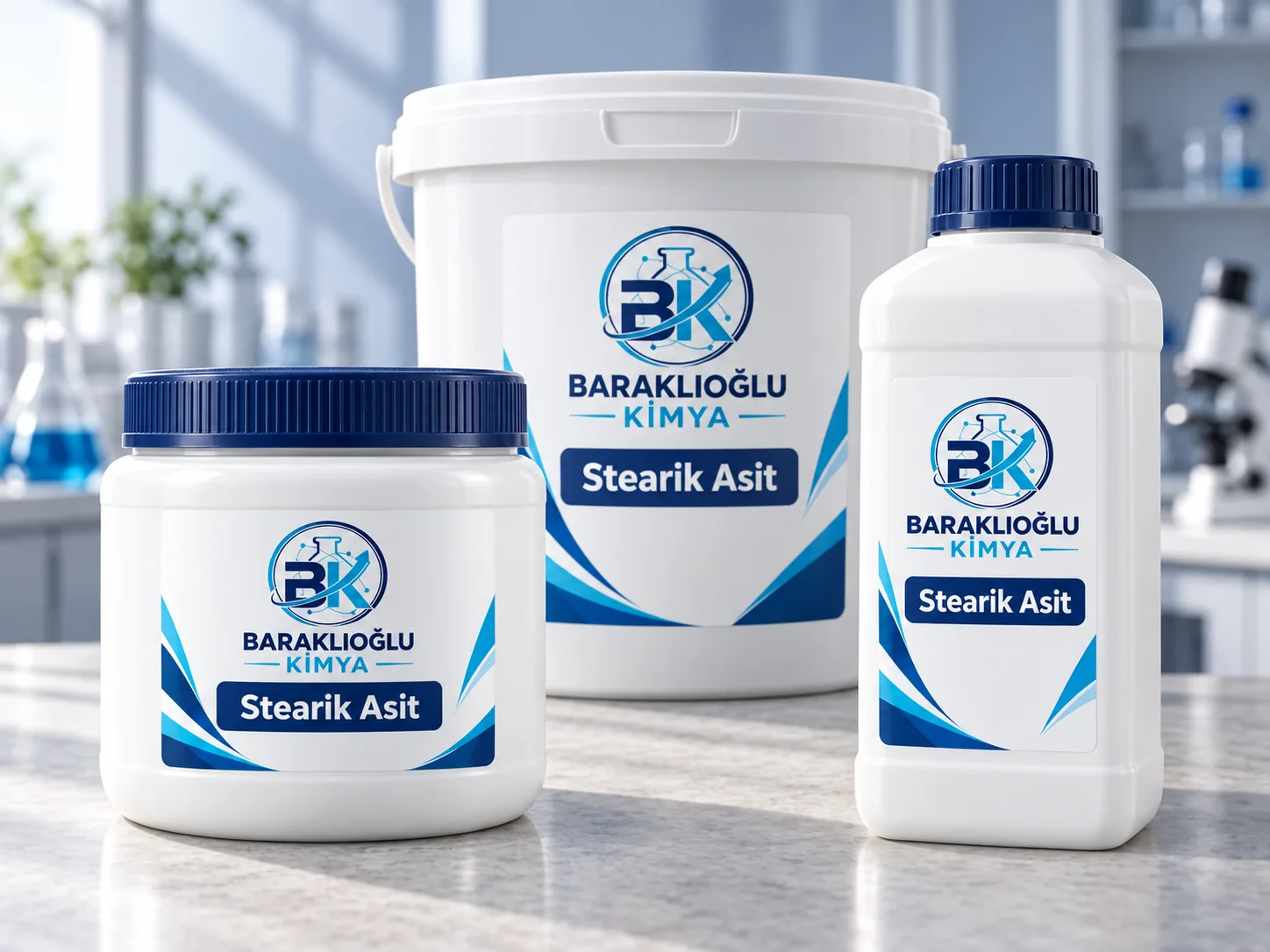
A fatty-acid raw material used in emulsions, saponification, surfactant derivatives and adjustment of texture or processing properties.
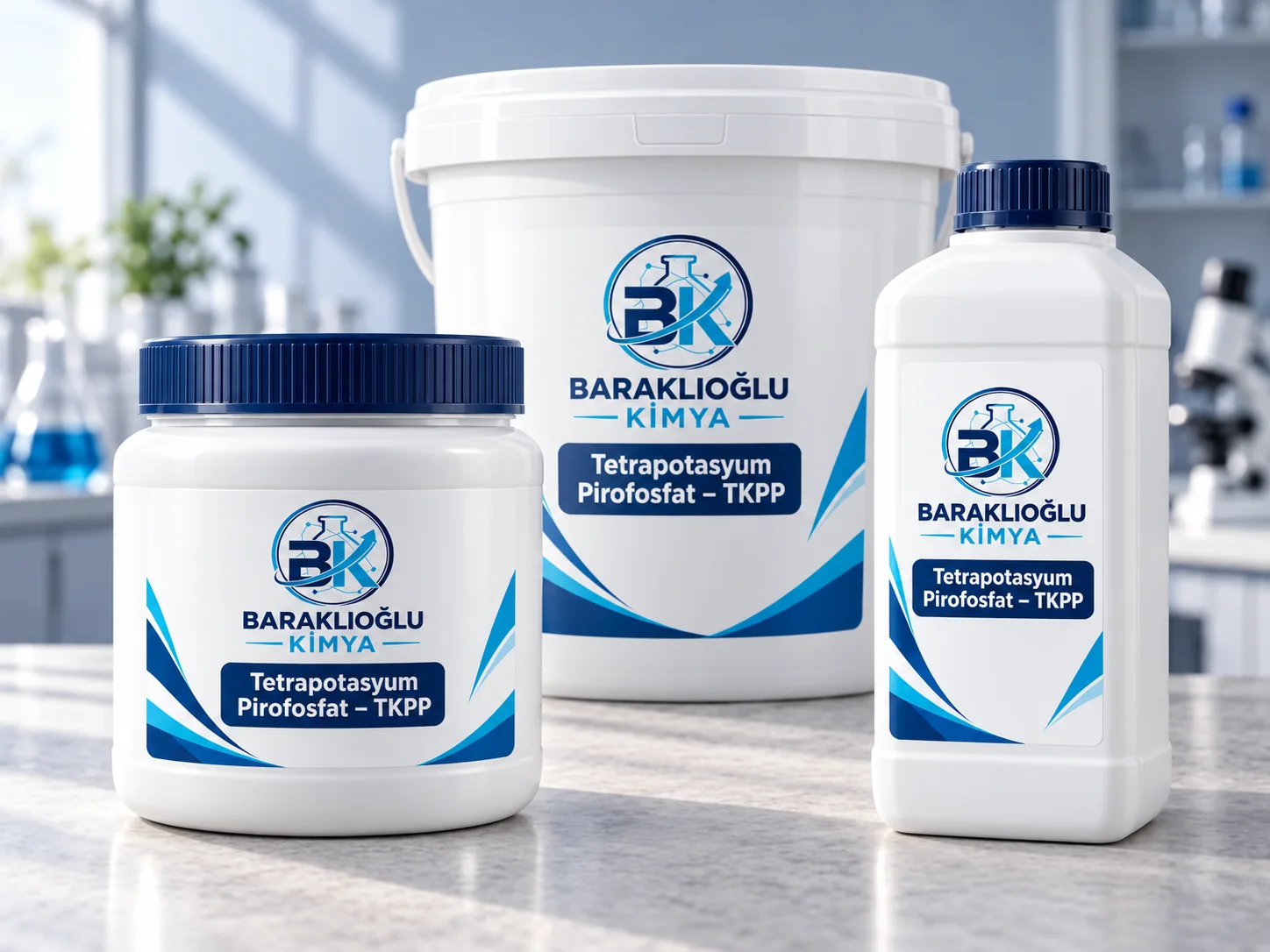
Tetrapotassium pyrophosphate is a highly soluble phosphate raw material providing alkalinity, complexing and builder performance.
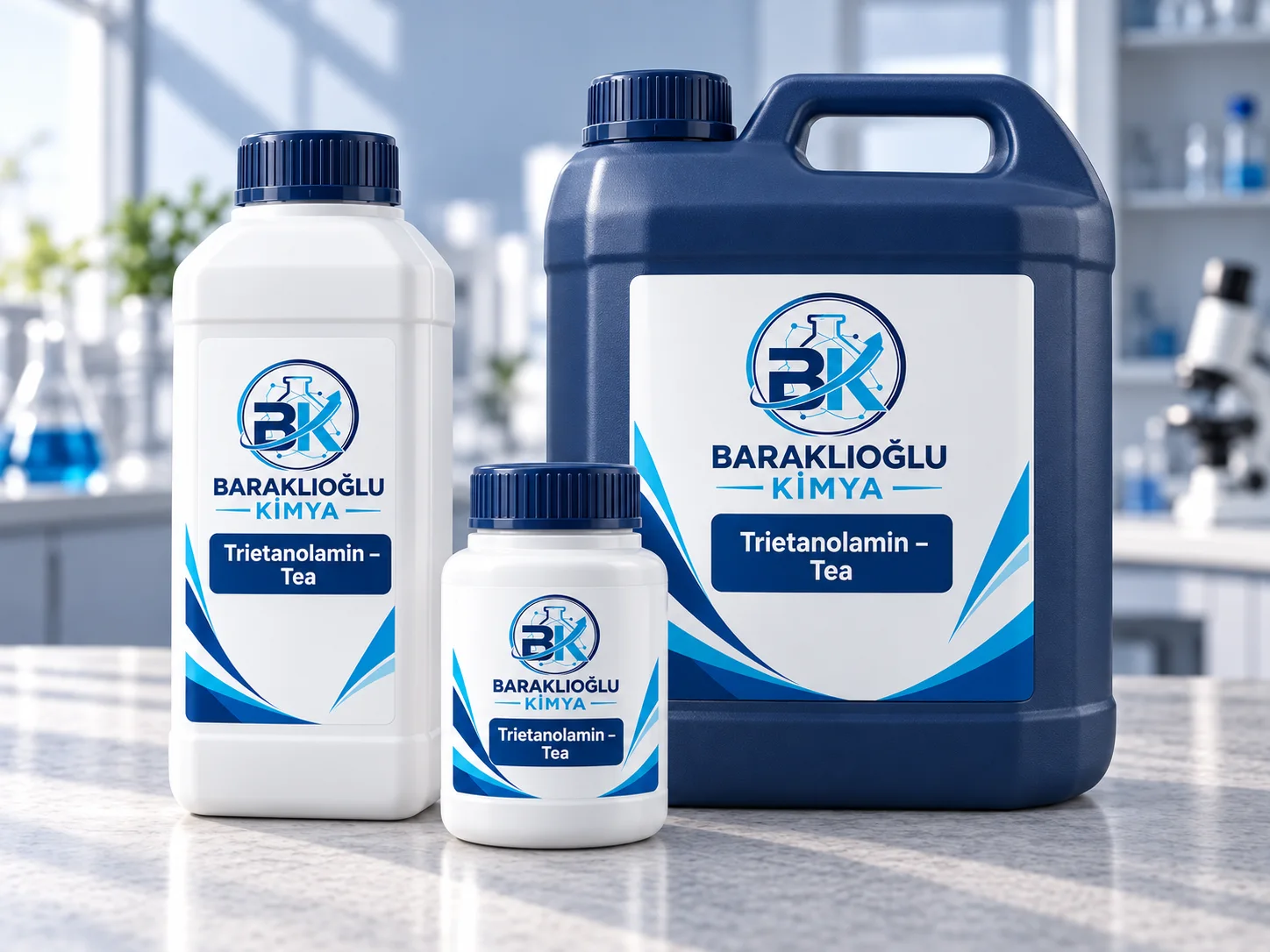
An alkanolamine raw material used for neutralisation, pH adjustment, emulsification and formulation stability.
Describe your process to see product candidates and why they match.
The advisor only matches verified catalogue fields. Final product, grade and dosage require validation by the technical team using TDS/SDS and site data.
This tool does not declare equivalence, safe substitution or dosage. It only compares CAS and structured technical catalogue signals.
Assess ionic character, active content, pH, foam and rheology behaviour together with the current formulation.
Verify purity/active content, target-market suitability and required TDS, SDS, CoA or regulatory declarations for the exact grade.
Validate addition order, temperature, mixing and stability at small scale before routine production.
Key points for grade, application, documentation and safe-use assessment in this product group.
Active content or purity, ionic character, pH range, solubility, rheology and foam behaviour, preservative compatibility and regulatory requirements for the target formulation should be reviewed together.
No. The level depends on grade, active content, target viscosity or cleaning performance and the other formulation components. A starting range should come from the current TDS and be confirmed through controlled formulation trials.
Suitability cannot be inferred from the trade name alone. Purity, regulatory declaration, allergen or restriction information and required certificates for the supplied grade must be verified from supplier documents.
Conduct a small-scale trial with recorded addition order, temperature, pH and mixing conditions, then monitor appearance, phase separation, viscosity, foam and stability over time.
At minimum, request the current TDS and SDS; depending on grade and use, also request CoA, microbiological data, regulatory declarations or other suitability documents.
Essential cookies are required for secure sessions and core functions. Analytics and marketing are enabled only with your consent.

