

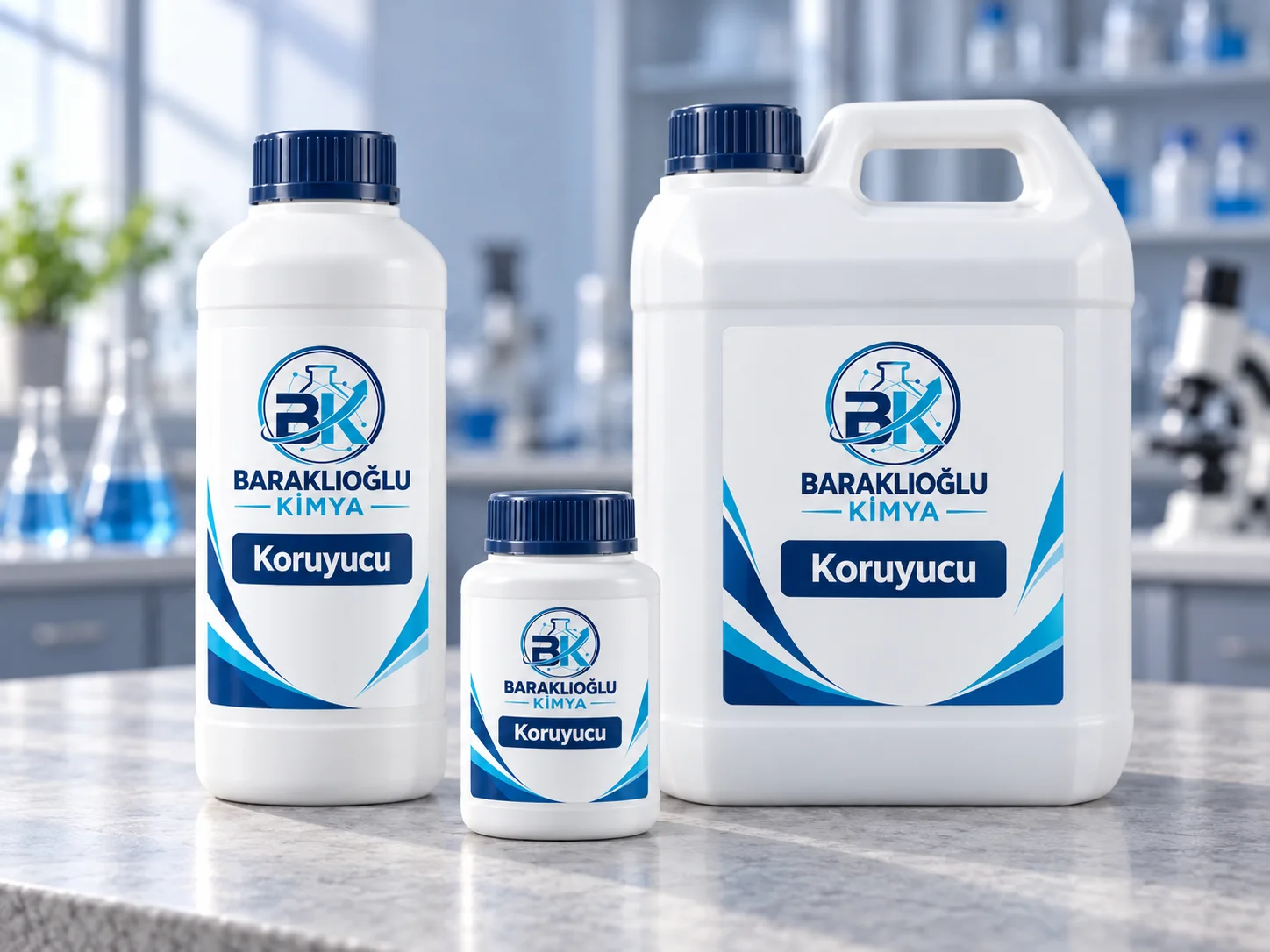
1 / 7
Detergent and Cosmetic Raw MaterialsBK-DK-044
Preservative
A preservative system or raw material added to control microbial spoilage and support product shelf life. Use level must follow regulation and active-ingredient data.
- Product code
- BK-DK-044
- Application
- Detergents, cosmetics, water-based products and industrial formulations.
- Packaging
- Packaging options are confirmed during quotation according to grade and supply plan.
Request a quote

PRODUCT FOCUS
Key advantages
TECHNICAL DESCRIPTION
Product description
Preservative is a preservative system or raw material added to control microbial spoilage and support product shelf life. Use level must follow regulation and active-ingredient data. It is a technical input within the Detergent and Cosmetic Raw Materials portfolio and should be reviewed jointly by purchasing, formulation and process teams.
Correct selection of Preservative should not rely on the product name alone. The offered grade, purity or active content, physical form, any stabiliser system, production batch and the regulatory requirements of the target industry should be reviewed in one technical file. This allows apparently similar commercial grades to be compared by their actual process impact.
Where is Preservative evaluated?
Detergents, cosmetics, water-based products and industrial formulations. Performance depends on field parameters such as the current formulation, water quality, temperature, pH, contact time, mixing conditions and equipment materials. The product should therefore be assessed by its function in the complete process rather than as an isolated ingredient.
Product and grade selection
Suitability is determined by evaluating target industry, grade, process temperature, contact materials and regulatory requirements together. Before purchasing, appearance, solubility, density, active content or other relevant specification values should be checked using a sample or current batch data. CAS, INCI or trade-name matches are useful for identity checks, but the actual grade must be verified through the TDS and CoA.
- Target process and expected function: Detergents, cosmetics, water-based products and industrial formulations.
- Grade, purity or active content and any stabiliser system
- Physical form, solubility, order of addition and contact-material compatibility (liquid)
- Current TDS/SDS, batch certificate and regulatory requirements of the target industry
- Pack size, annual demand, storage capacity and delivery programme
Introduction and performance validation
Dosage, order of addition or direct-use decisions must follow laboratory/site trials and current technical documents. Starting conditions and results should be recorded during controlled trials, and routine production or continuous dosing should begin only after the target performance is demonstrated. When replacing another material, compare active-equivalent use, process impact and total cost in use—not price alone.
- Define the process objective, current formulation, operating temperature and critical performance indicators.
- Compare the proposed grade with the current process using the latest TDS, SDS and, where required, CoA.
- Validate dosage and order of addition progressively in a controlled laboratory or pilot trial.
- Record the approved grade, batch, dosage and process result before routine use.
Safety, storage and supply
For industrial use. Read the current SDS and apply suitable PPE and engineering controls based on risk assessment.
Store in the original labelled closed container according to SDS conditions for temperature, ventilation and segregation from incompatible materials. Packaging options are confirmed during quotation according to grade and supply plan. When requesting a quotation or sample from Baraklıoğlu Kimya, state the target application, monthly or annual demand, preferred packaging and required technical documents to speed up grade matching.
PURCHASING AND FORMULATION
How to select Preservative
- 01
Target process and expected function: Detergents, cosmetics, water-based products and industrial formulations.
- 02
Grade, purity or active content and any stabiliser system
- 03
Physical form, solubility, order of addition and contact-material compatibility (liquid)
- 04
Current TDS/SDS, batch certificate and regulatory requirements of the target industry
- 05
Pack size, annual demand, storage capacity and delivery programme
CONTROLLED IMPLEMENTATION
Application steps
- 01
Define the process objective, current formulation, operating temperature and critical performance indicators.
- 02
Compare the proposed grade with the current process using the latest TDS, SDS and, where required, CoA.
- 03
Validate dosage and order of addition progressively in a controlled laboratory or pilot trial.
- 04
Record the approved grade, batch, dosage and process result before routine use.
Specifications
| Property | Product information |
|---|---|
| Identity and composition | |
| Product name | Preservative |
| Product code | BK-DK-044 |
| Category | Detergent and Cosmetic Raw Materials |
| Physical form | Liquid |
| Chemical family | Process auxiliaries |
| Application and supply | |
| Application | Detergents, cosmetics, water-based products and industrial formulations. |
| Suitability | Suitability is determined by evaluating target industry, grade, process temperature, contact materials and regulatory requirements together. |
| Application note | Dosage, order of addition or direct-use decisions must follow laboratory/site trials and current technical documents. |
| Packaging | Packaging options are confirmed during quotation according to grade and supply plan. |
| Storage | Store in the original labelled closed container according to SDS conditions for temperature, ventilation and segregation from incompatible materials. |
| Technical properties | |
| Product group | Detergent and Cosmetic Raw Materials |
| Purity/active content | According to current product specification |
The right document for your needs.

Technical Data Sheet
Review technical properties, grade criteria and application information.
Request the current version from our team.TDS requestSafety Data Sheet
Find information on safe handling, storage, transport and emergency measures.
Request the current version from our team.SDS requestFREQUENTLY ASKED QUESTIONS
Preservative questions and answers
01Which function is Preservative assessed for in a formulation?+
A preservative system or raw material added to control microbial spoilage and support product shelf life. Use level must follow regulation and active-ingredient data. Actual function and performance must be confirmed in a controlled trial considering the supplied grade, active content, pH, other ingredients and manufacturing method.
02How is formulation compatibility checked for Preservative?+
Conduct a small-scale trial with recorded order of addition, mixing, temperature and pH, then monitor appearance, phase stability, viscosity, foam and target performance.
03Which documents should be reviewed when selecting a Preservative grade?+
Use the current TDS and SDS for the offered grade as the basis; for critical applications also review CoA, regulatory declarations, manufacturer grade code and any required certificates.
04How is the use level of Preservative established?+
A universal rate would be misleading. Select a starting level from the current TDS, existing formulation or process and target performance, then optimise progressively in laboratory or site trials.
05What are the storage and transport conditions for Preservative?+
Take exact conditions from the current SDS for the supplied grade. Use the original labelled container, suitable temperature and ventilation, segregation from incompatibles and applicable local storage rules.
06Which details should be confirmed before ordering Preservative?+
Confirm the exact product and grade, product code or CAS, packaging, quantity, delivery location, lead time, shelf life and required technical or batch documents in writing at quotation stage.
SAME SOLUTION FAMILY
View full category ↗
Compare related products
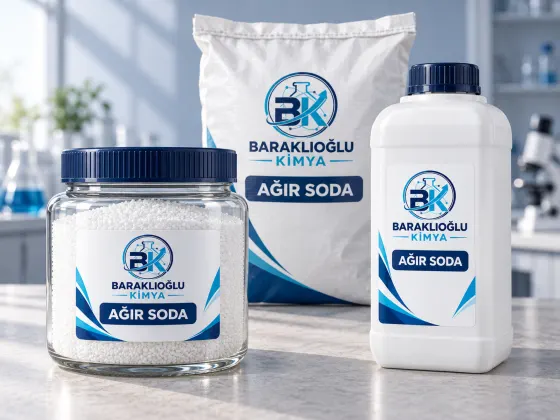
BK-DK-001Powder
Dense Soda Ash
With the correct grade and process conditions, Dense Soda Ash provides a reliable raw-material option for detergent manufacturing.
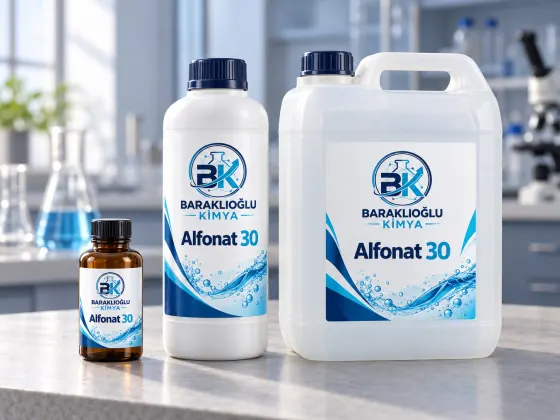
BK-DK-002Liquid
Alfonat 30
With the correct grade and process conditions, Alfonat 30 provides a reliable raw-material option for liquid and powder detergents.
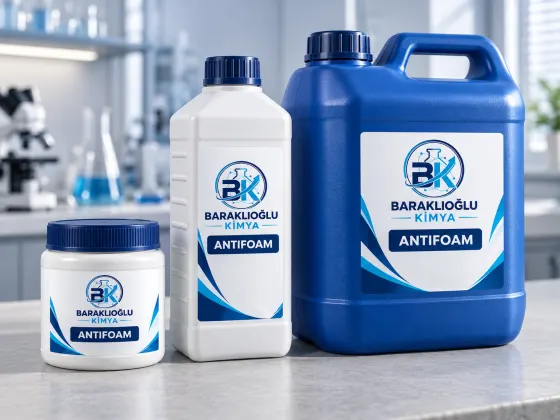
BK-DK-003Liquid
Antifoam
With the correct grade and process conditions, Antifoam provides a reliable raw-material option for industrial processes.