

PowderBK-KS-011
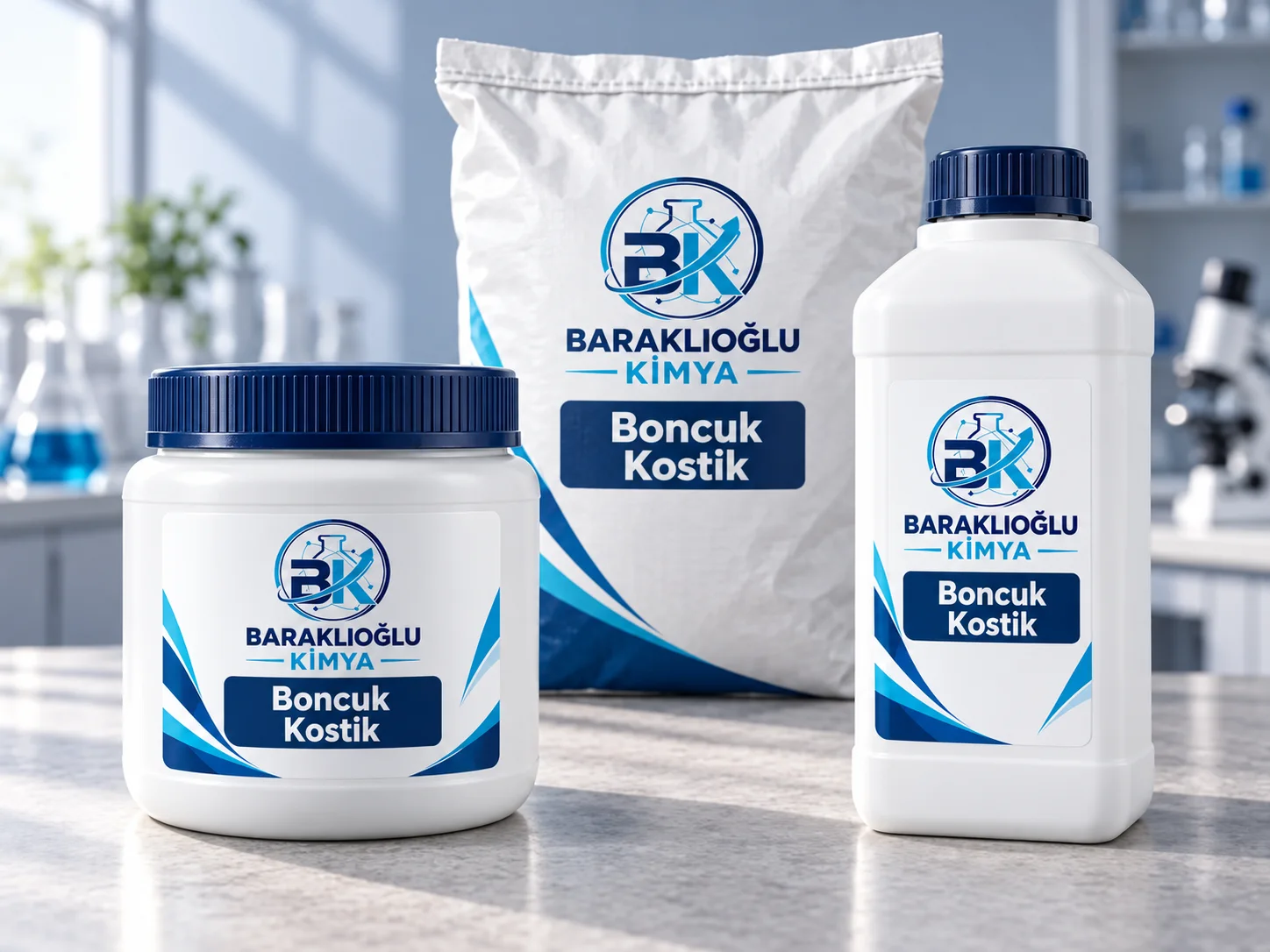

SAMPLE
A strongly alkaline caustic raw material used for pH increase, neutralisation, saponification and heavy-duty cleaning processes.
Strong alkaline raw materials for pH increase, neutralisation, saponification and heavy-duty cleaning.

A strongly alkaline caustic raw material used for pH increase, neutralisation, saponification and heavy-duty cleaning processes.
A strongly alkaline caustic raw material used for pH increase, neutralisation, saponification and heavy-duty cleaning processes.
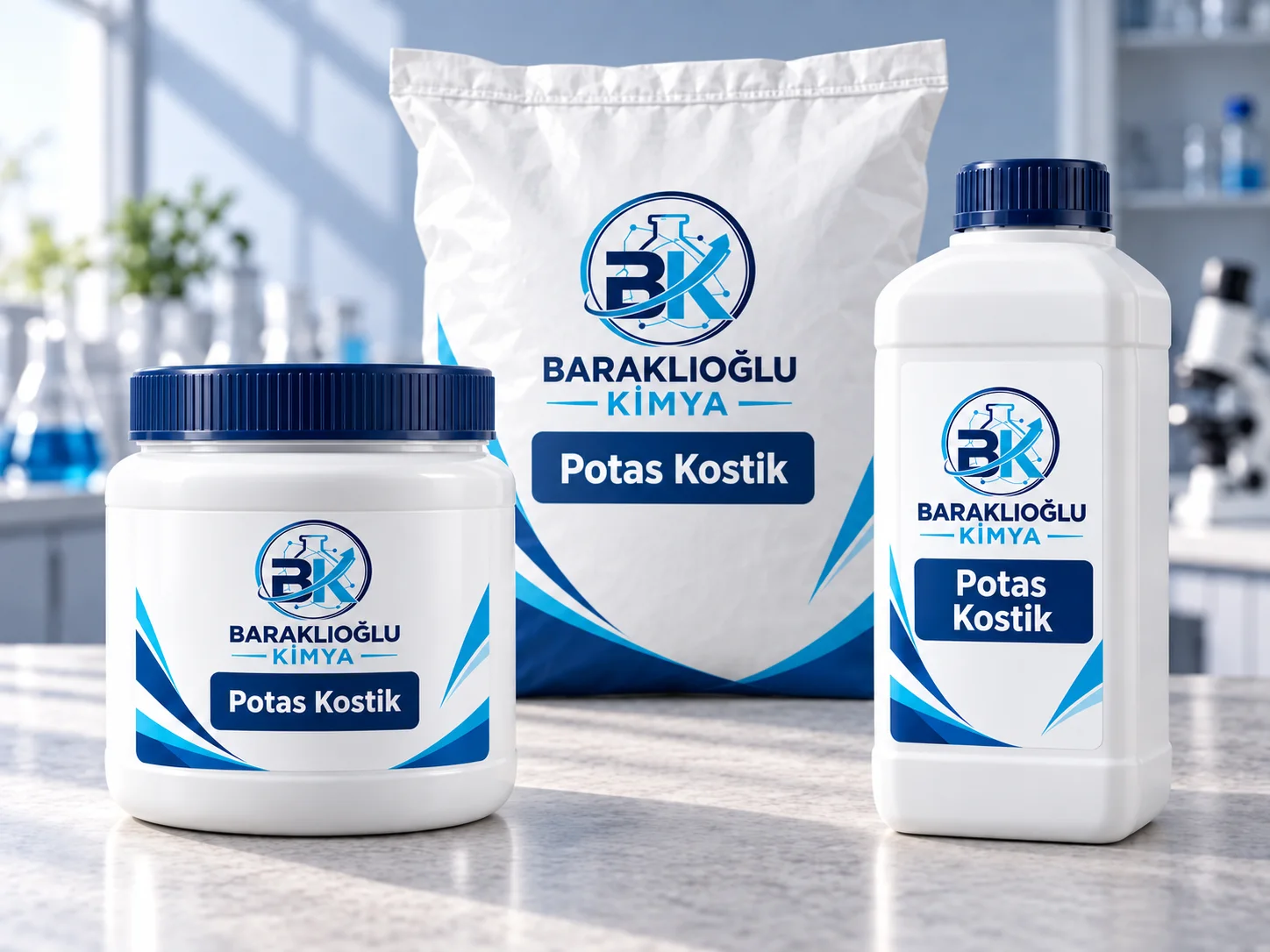
A strongly alkaline caustic raw material used for pH increase, neutralisation, saponification and heavy-duty cleaning processes.
Describe your process to see product candidates and why they match.
The advisor only matches verified catalogue fields. Final product, grade and dosage require validation by the technical team using TDS/SDS and site data.
This tool does not declare equivalence, safe substitution or dosage. It only compares CAS and structured technical catalogue signals.
Compare solid/liquid form, concentration and purity because they affect pH response, dosage and dissolution.
Control heat generation, mixing order and suitable equipment through an approved written procedure.
Verify corrosion, seal/plastic compatibility and moisture sensitivity against real process and SDS conditions.
Key points for grade, application, documentation and safe-use assessment in this product group.
Solid or liquid form, concentration, purity and carbonate or other impurity levels can change dissolution, dosage, pH effect and storage requirements.
An unsuitable concentration, temperature or contact time may damage certain metals, coatings, seals and plastics. Material compatibility must be confirmed under actual process conditions.
Follow a written procedure with product-specific SDS, risk assessment, suitable equipment and trained personnel. Dissolution may release heat, so uncontrolled preparation must be avoided.
Define suitable indicators such as target pH, alkalinity, conductivity or process performance, adjust progressively and monitor the risk of overfeed.
Check moisture protection, tank or packaging material, temperature, ventilation, segregation from incompatible acids and spill response against the current SDS.
Essential cookies are required for secure sessions and core functions. Analytics and marketing are enabled only with your consent.
